
Instead of a patchwork of national laws, a unified regulatory framework would govern data protection, cybersecurity, e-commerce, and digital content. This would reduce compliance burdens for businesses, foster cross-border digital trade, and provide consistent consumer protections, enhancing trust and participation.
With increased access and reduced barriers, there would be an explosion of locally relevant digital content – educational materials in diverse languages, cultural productions, and innovative applications tailored to African needs. Governments could incentivize the creation and hosting of such content within Africa, fostering a vibrant digital creative economy.
Comprehensive digital literacy programs, integrated into national education systems and community outreach initiatives, would empower citizens with the skills to navigate the digital world safely and effectively. Special attention would be given to bridging the digital gender divide and ensuring equitable access for marginalized communities.
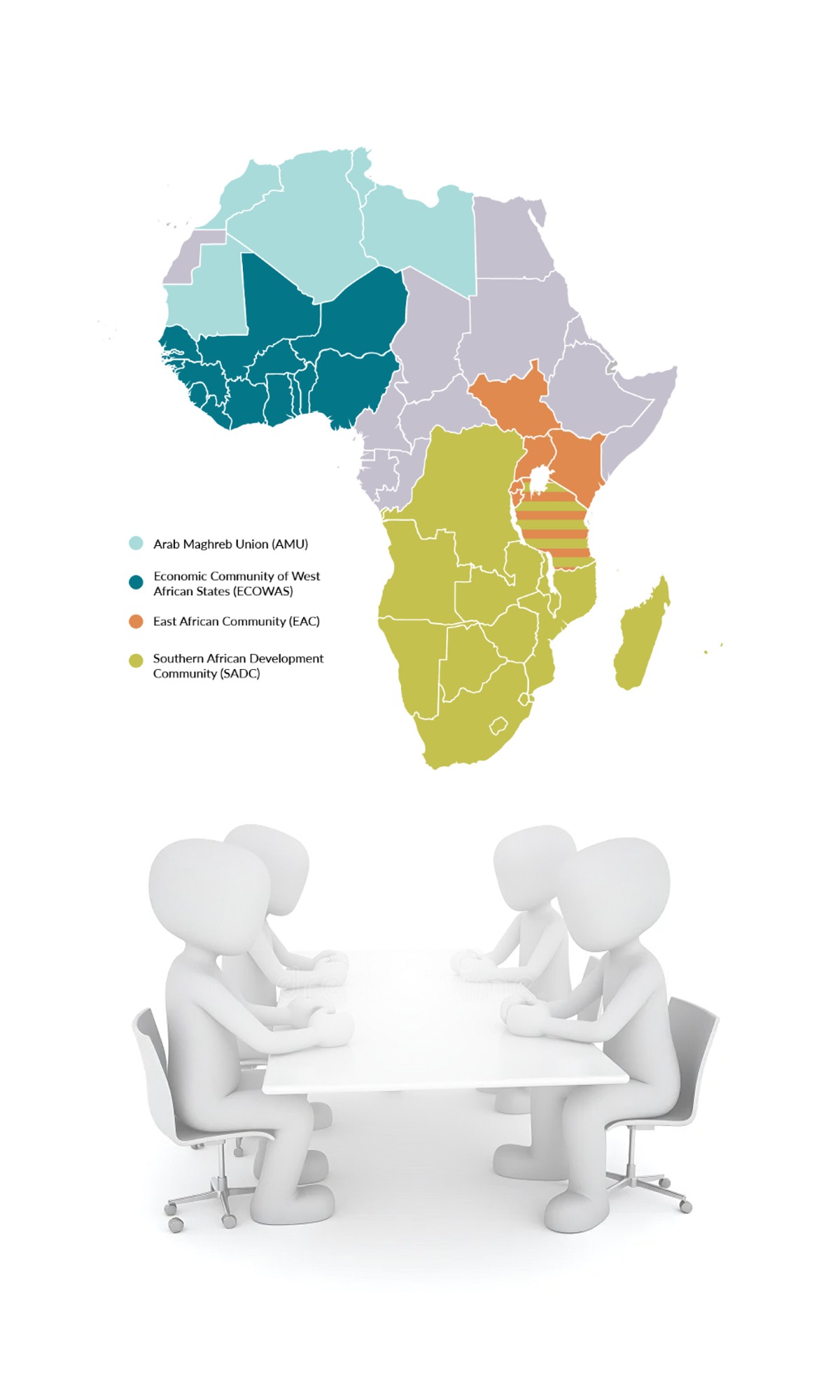
Government's Role in Driving Digital Access and Satisfaction:
2. Infrastructure Investment and Regulation: Governments would attract both public and private investment in digital infrastructure. This involves creating investor-friendly policies, facilitating public-private partnerships, and potentially establishing regional infrastructure funds. Regulatory frameworks would encourage competition while ensuring quality and affordability.
3. Harmonization and Standardization: Leading efforts to standardize digital protocols, data formats, and legal frameworks across African nations would be crucial. This involves strong diplomatic engagement and the adoption of common regional and continental digital policies.
4. Digital Public Goods and Services: Governments would invest in and develop secure, user-friendly digital public services that prioritize citizen needs. This includes digital identity, e-health
6. Human Capital Development: Investing heavily in digital skills development, from basic literacy to advanced technical training, would be a core government priority. This would ensure a skilled workforce capable of driving innovation and leveraging digital opportunities.
7. Fostering an Innovation Ecosystem: Governments would create an enabling environment for tech startups and innovators through policies that encourage research and development, provide access to funding, and facilitate collaboration between academia, industry, and civil society.
8. Citizen Engagement and Feedback: Crucially, governments would actively engage citizens in the design and implementation of digital initiatives. Regular feedback mechanisms, digital town halls, and participatory policymaking would ensure that digital services genuinely meet user needs and lead to high satisfaction levels.
Challenges to Overcome:
Achieving a borderless digital Africa is not without its hurdles. These include:
1. Funding Gaps: Significant investment is required for infrastructure development.
2. Digital Divide: Bridging the gap between urban and rural, and addressing gender disparities in access and literacy.
3. Political Will and Coordination: Overcoming nationalistic tendencies and ensuring consistent political commitment across diverse nations.
4. Cybersecurity Threats: The increased connectivity brings heightened risks of cyberattacks and data breaches.
5. Regulatory Harmonization Complexity: The process of aligning diverse legal and regulatory frameworks can be lengthy and complex.
Conclusion:
A borderless digital Africa, driven by proactive and visionary governments, has the power to transform the continent, fostering unprecedented levels of digital access, economic growth, social inclusion, and citizen satisfaction.
It's a bold vision, but one that is increasingly within reach if African leaders commit to the necessary investments, policy reforms, and collaborative efforts to build a truly interconnected and empowered digital future.
The continent's youthful population and its inherent dynamism are ready to embrace this future, and it is the governments' responsibility to clear the path.